 La Tribu Life Remodelaciones

Quick answer
A construction lien in Florida is a claim against your property under Florida's Chapter 713. It can be filed by people who worked on or supplied your project and weren't paid, including subcontractors or suppliers you never hired, even if you already paid your contractor in full. A permit alone doesn't protect you; lien waivers with each payment do.
Common mistake: thinking a permit is enough
Here's the core confusion: the permit does matter, but it doesn't do all the legal work. Miami-Dade explains that permits and inspections exist to ensure safety, legality and compliance with minimum code standards. It isn't a whim; that's how the work is protected from a technical point of view. Payments, liens and closing paperwork are a separate matter.
Florida law itself says the Notice of Commencement is not, by itself, a lien or a burden on the property; what it does is give notice that lien claims may be filed under Chapter 713. In other words, pulling a permit and recording the Notice of Commencement doesn't shield you; it just sets up the legal framework for the job.
That distinction matters a lot. A homeowner might think: "There's a permit, so everything is legal." But "legal" in construction doesn't only mean a permit. It also means proper contracts, a payment trail, releases, tracking who sent a Notice to Owner (NTO), and a final closeout with no loose ends.
Permit, NTO, waiver and lien: what each does
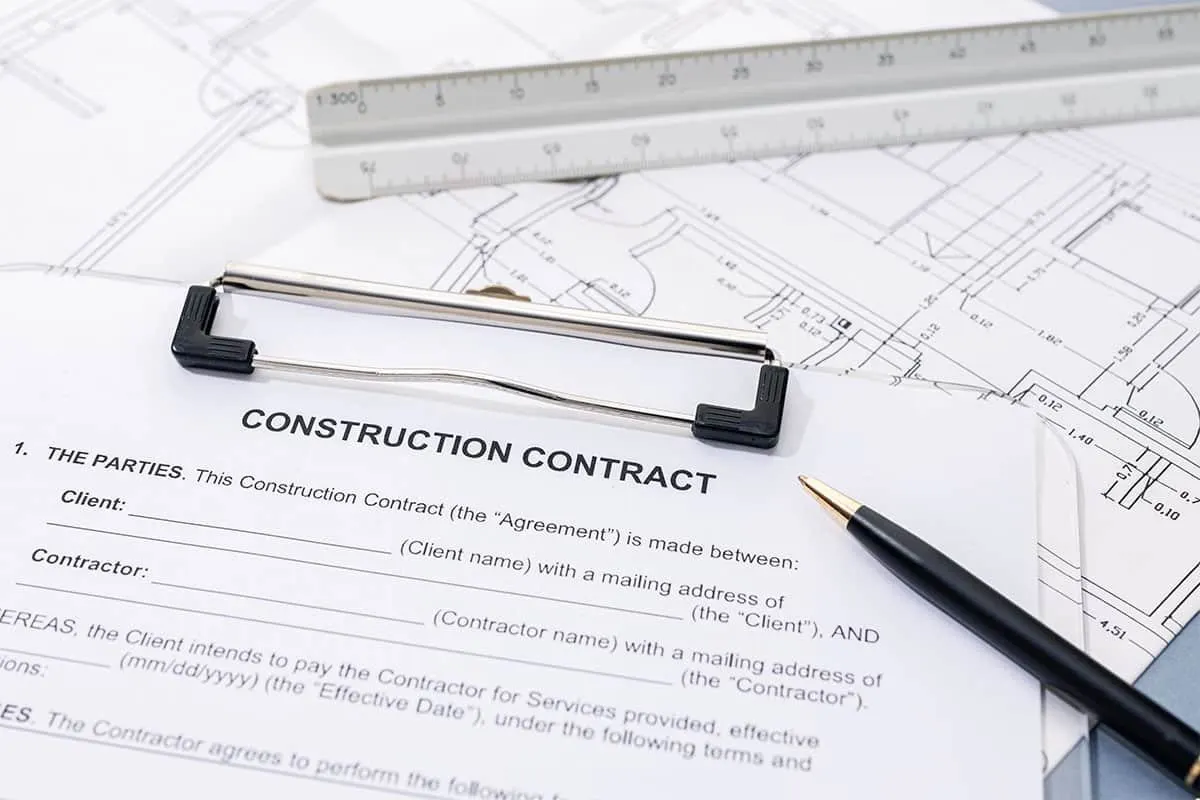
To keep the concepts straight, think of it this way:
1) Permit
The permit confirms that the work requires approval and must go through plan review and inspection. It's there for safety and code compliance. It doesn't replace payment protection or a clear contractual warranty. (For permits and HOA approvals in condos, see our guide to building permits and HOA rules in Miami-Dade.)
2) Notice of Commencement
The owner must record it before the improvement begins, and the law warns that payments made after the notice expires may be considered improper payments. But the same statute makes clear that the Notice of Commencement is not a lien: it only gives notice that liens may be recorded.
3) Notice to Owner (NTO)
The Notice to Owner is not an automatic threat. It's a legal notice telling you that a subcontractor or supplier is working on your project, and it preserves their rights under the lien law. However, the statutory warning is very strong: if the contractor doesn't pay them, those people can look to your property to get paid, even if you already paid the main contractor.
4) Lien waiver or release
Florida law provides statutory forms for a waiver and release of lien upon progress payment and upon final payment. It also says lien rights can't be waived in advance; they can only be released for work, services or materials already provided. That's why a proper waiver goes with each payment, not at the start "just in case."
5) Claim of lien
This is the serious document. To be on time, a claim of lien must be recorded, normally no later than 90 days after the lienor last provided labor, services or materials. Once recorded, it can last up to 1 year, unless that period is shortened or an action to enforce it is filed.
Can a subcontractor put a lien on my house?
This is the point that causes the most anxiety, and for good reason.
In Florida, a direct residential contract for more than $2,500 must include a mandatory warning: if your contractor or a subcontractor doesn't pay subcontractors, sub-subcontractors or suppliers, those people can make a claim against your property even if you already paid your general contractor in full. This isn't a creative interpretation: the statute itself says so.
So when someone asks, "Can a subcontractor I never hired put a lien on my house?", the practical answer is yes: they may have that legal path if they preserved their rights under Chapter 713.
What to do when you receive an NTO
Don't ignore it, and don't panic.
Do this:
- compare it against your main contract and the actual scope of work,
- ask the contractor for an updated list of subcontractors and suppliers,
- don't release payments without releases from everyone who sent an NTO,
- and keep a clear ledger of which payment went out, to whom and with what backup.
The law even allows the owner to ask the contractor, in writing, for a list of subcontractors and suppliers, and the contractor must provide it within 10 days. If they don't, they may lose their lien rights to the extent the owner is harmed.
The owner can also serve a request for sworn statement of account. If the request is properly served and the lienor doesn't answer under oath within 30 days, or answers falsely, they may lose their lien. It's one of the most useful tools when the paperwork is incomplete or the amount claimed doesn't add up.
What paperwork protects the homeowner?

At La Tribu Life, we know that if you're trying to understand what a construction lien is in Florida and how it affects you, the real answer isn't only in the statute. It's also in the file you build during the project.
Documents you shouldn't be missing:
- a signed contract with the legal notice Florida requires, when it applies,
- a detailed scope of work and signed change orders,
- the Notice of Commencement and the permit file,
- a payment schedule by milestones,
- proof of every payment,
- partial lien waivers with every payment,
- a final waiver at closeout,
- a list of subcontractors and suppliers,
- responses to any NTOs you received,
- written warranties for installation, materials and project closeout.
Keeping this paperwork means one thing: not leaving the process "almost closed." Either it's truly closed, or the risk is still alive.
Warranty: what many people assume and almost nobody nails down
An approved permit doesn't replace a well-defined workmanship warranty. Your Florida contractor's warranty should be clear and in writing: what it covers, for how long, what it excludes, how to report a defect and what paperwork you receive at closeout.
If that part is vague, the homeowner ends up with a project that looks "finished" but is weak when it comes to a claim, maintenance or resale. That's exactly the kind of half-finished closeout La Tribu Life works to prevent.
If a lien was filed or the job is unfinished

It helps to separate two moments: prevention and response.
If the lien has already been recorded
Florida allows several legal ways out, depending on the case:
- a satisfaction or release from the lienor, properly recorded,
- expiration because the enforcement action wasn't filed in time,
- a court order canceling it through a show cause proceeding,
- or transferring the lien to other security through a deposit or bond.
The law says the owner or their attorney can record a Notice of Contest of Lien and shorten to 60 days the time the lienor has to file suit to enforce it. If they don't sue within that time, the lien is automatically extinguished.
There's also the show cause route: any interested party can ask the court to order the lienor to show why their lien shouldn't be enforced or canceled. If the lienor doesn't act in time, the court can order it canceled.
And if what you need most is to free up the property while the dispute is resolved, the statute allows transferring the lien to other security through cash or a bond. Once the certificate of transfer is issued, the property is released from the lien and the lien moves to that security.
If the lien looks inflated or isn't legitimate
Florida also recognizes the fraudulent lien. If the lien was willfully exaggerated or includes work not performed or materials not supplied, that can be a complete defense against enforcing the lien. In addition, the affected owner may have a claim for damages and attorney's fees.
If the contractor didn't finish the job
The lien law isn't your only remedy. Chapter 713 itself says these actions are cumulative and don't prevent other contract claims. In other words: if the contractor left the job unfinished, besides the lien issue you may also have a separate contract claim. (If you're worried you're dealing with a bad contractor, review these contractor scam warning signs
In that scenario, paperwork is decisive again:
- contract,
- schedule,
- change orders,
- payments made,
- NTOs received,
- waivers obtained,
- progress photos,
- punch list,
- and any written communication about the contractor's failure to perform.
Legal and paperwork closeout checklist
Before you consider a project closed, check the following:
- The permit reached its final technical closeout.
- You have a copy of the Notice of Commencement and the project file.
- You identified everyone who sent an NTO.
- You made no payments without a release from those who needed to provide one.
- You have the partial lien waivers and the final waiver.
- You kept proof of every payment and every approved change.
- You asked for the list of subcontractors and suppliers if anything was unclear.
- The warranty is in writing.
- The closeout leaves enough of a paper trail for a sale, a refinance or a future claim.
If you've already pulled a permit but aren't sure your legal side is really protected, schedule an assessment with La Tribu Life.
La Tribu Life doesn't leave the process half done. We help you put in place a contract with warranties, milestone payments, releases, a paper trail and a proper project closeout, so your property isn't exposed by a false sense of security.
Frequently asked questions
Can a subcontractor I never hired put a lien on my house in Florida?
Yes. If they preserved their rights under Chapter 713, subcontractors, sub-subcontractors or suppliers who weren't paid can make a claim against your property, even if you already paid your general contractor in full.
Does a building permit protect me from a construction lien?
No. A permit is about safety and code compliance. Protection from liens comes from proper contracts, a payment trail, lien waivers with each payment and a complete closeout.
What should I do if I receive a Notice to Owner?
Don't ignore it and don't panic. Compare it against your contract and scope, ask the contractor for a list of subcontractors and suppliers, don't release payments without releases from those who sent an NTO, and keep a clear payment ledger.
How long does someone have to file a construction lien in Florida?
A claim of lien normally must be recorded no later than 90 days after the lienor last provided labor, services or materials. Once recorded, it can last up to 1 year unless that period is shortened or an enforcement action is filed.
How can I get a construction lien removed in Florida?
Options include a recorded release from the lienor, expiration if no enforcement action is filed in time, a Notice of Contest of Lien (which shortens the deadline to sue to 60 days), a court show cause proceeding, or transferring the lien to a cash deposit or bond.
Note: The figures, costs, timelines and percentages in this article are for reference only. They can change by state, county or city, and over time. They are not a fixed rule or legal advice; always confirm them with the relevant official agency before you decide.
Informational content only. It does not replace professional advice and is not legal advice. La Tribu Life guides and represents homeowners, but does not perform construction work.



Comments
No comments yet. Do you have a question or an experience with a contractor? Share it.