 La Tribu Life Remodelaciones

Contractor fraud rarely looks like fraud at first. Here are the warning signs to catch before you sign anything in Miami-Dade, what to check, and what to do if you've already paid.
Quick answer
The main contractor scam warning signs are a license you can't verify, pressure to sign today, a verbal or vague contract, a large upfront deposit, claims that no permits are needed, cash-only payments, and no clarity on insurance or subcontractors. When several appear together, stop, verify with the DBPR and Miami-Dade, and don't pay more.
Costly mistake: charm isn't legitimacy
Many homeowners don't get scammed because they're naive. They get scammed because the contractor "sounds right," came recommended, speaks with confidence or brings a tempting quote. The problem is that none of those things replaces a license, insurance, a complaint history, or the real ability to finish a job. Fraud usually looks normal at the start.
In Miami-Dade, the county recommends checking whether the contractor is licensed, whether they have complaints, and whether they keep their liability insurance and workers' compensation current. The state licensing agency, the DBPR, also lets you verify licenses by name or number and check the license status. That means verifying isn't optional or complicated: it's a basic step before you sign.
7 warning signs you shouldn't ignore

1) You can't verify an active license
This is the first serious red flag: the contractor avoids giving you their license number, shows you only a business tax receipt, or the business name doesn't match the one on the contract. This can be a classic sign of fraud or questionable legitimacy. Learn how to verify a contractor license in Miami-Dade.
Also, in Florida, contracts made by unlicensed contractors can't be enforced by the unlicensed contractor, and Miami-Dade reminds homeowners that unlicensed contractors can't legally pull permits.
2) They pressure you to sign today
Lines like "I'll hold this price only for today," "tomorrow I can't," or "if you don't sign now you lose your spot" are pressure tactics, not professionalism. A legitimate process can handle verification, questions and time to review.
3) The contract is verbal or too vague
If the agreement says things like "general remodel" with no materials, timelines, exclusions or payment schedule, you don't have a useful contract; you have an open door to conflict. In Florida , direct residential contracts over $2,500 must include specific disclosures tied to the lien law and the Recovery Fund.
4) They want too much money upfront
This is one of the most important signs. Florida law says that when a contractor receives more than 10% of the contract price as an initial payment for residential work, they must apply for the necessary permits within 30 days and start the work within 90 days after the permits are issued, except for exceptions set by law. When someone asks for 30%, 40% or 50% before making real progress, you're no longer looking at a healthy milestone payment practice.
5) They say permits aren't needed, or that you should pull them
If the contractor tells you they don't need permits "to save you time," or tries to get you to pull the permit for them, that's a clear danger sign. Miami-Dade warns that permit applications are only accepted from contractors with a current license in their field, and that work without a permit is considered unsafe under the Florida Building Code. See the risks of building permits and HOA approvals in Miami-Dade.
6) They only accept cash or personal checks
Not every cash payment is fraud, but combined with a vague contract, no license and no permits, the odds of a scam shoot up. We've seen this as a recurring pattern in problem jobs. And if, on top of that, the receipt isn't issued in the name of the company you hired, the trail of your money is broken from day one.
7) There's no clarity on insurance, subcontractors or who enters your home
Subcontracting isn't the problem. Hidden subcontracting is. If the contractor won't give you the names, licenses or coverage of the people who will work in your home, you're exposed. And not only on quality, safety and traceability: remember that unpaid subcontractors can file liens if payment records and releases aren't controlled.
Read also: What is a construction lien in Florida and how does it affect me?
| Sign | Why it matters | What to ask for |
|---|---|---|
| License you can't verify | May point to unlicensed work or a borrowed license | DBPR and Miami-Dade check |
| Vague or verbal contract | Leaves you without a clear scope or timeline | Contract with materials, milestones and exclusions |
| Large deposit | Exposes you to early abandonment | Documented milestone payments |
| "Permits aren't needed" | Technical, legal and resale risk | Confirmation of Miami-Dade permits |
| Cash or personal checks only | Your money is hard to trace | Payments in the company's name + receipts |
| Insurance you can't confirm | Risk if there's damage or injury | COI directly from the insurer |
| Hidden subcontracting | Quality risk and claims | List of subs, licenses and lien waivers |
The logic is simple: when several signs show up together, you're no longer looking at an "opportunity." You're looking at a compound risk.
What to check before signing a contract
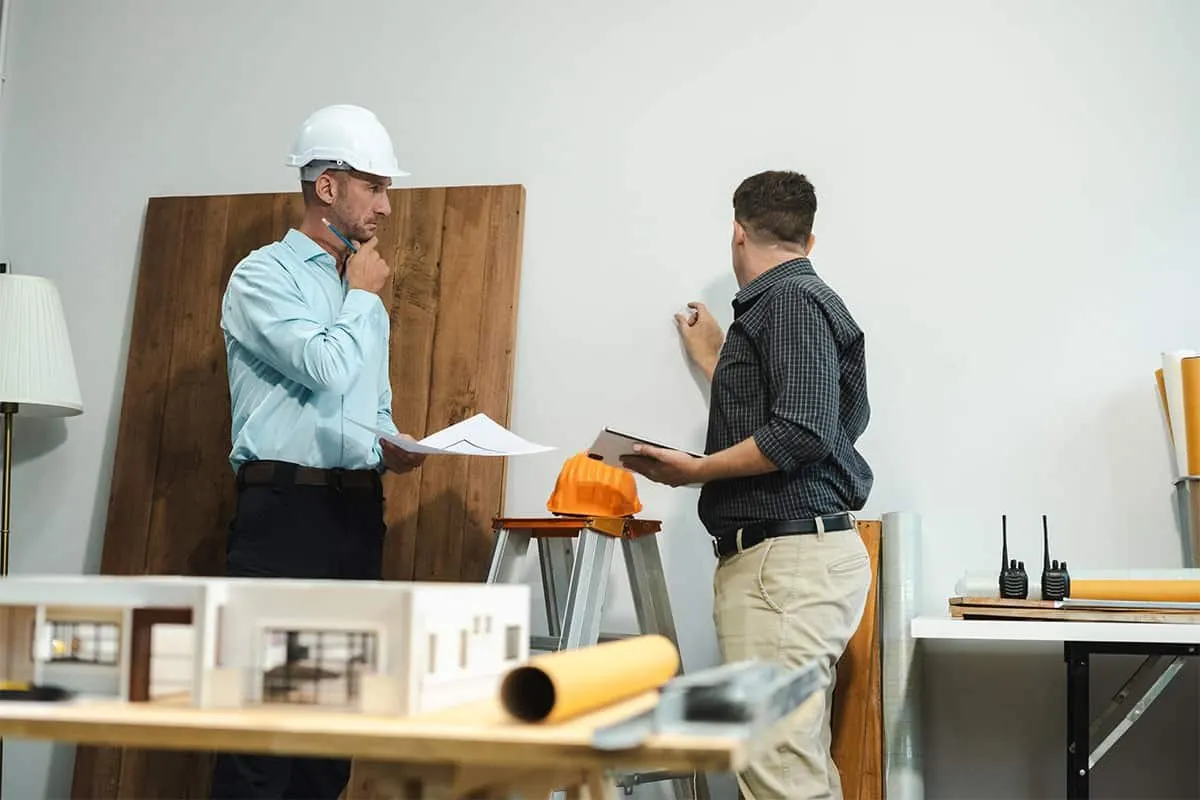
If you want to know whether a contractor is scamming you, check the following before you commit any money:
Verify the license and complaints
Search the DBPR to see if the license is active, and use the Miami-Dade search tool to check local licenses and complaints. The county even says you can call 786-315-2880 or 311 to verify licenses, complaints and current insurance.
Verify the insurance is real
Always ask for the Certificate of Insurance (COI) and confirm directly with the insurance company that the policy is active. Miami-Dade also notes that licensed contractors must keep their liability and workers' compensation coverage current.
Verify the company, not just the person
Make sure the business name is the same, and consistent, on the license, the contract and the payments. This is part of the minimum paper trail that protects you if anything goes wrong. When the name on the contract doesn't match the one on the license or the company records, something isn't adding up.
Review the payment plan
A legitimate contractor accepts a milestone-based payment structure. La Tribu Lifealso recommends checking whether the schedule is front-loaded or tied to real progress, inspections and documentation. That one point completely changes your level of risk and strengthens your control.
If you already paid and something's off
First: don't keep paying out of habit. It sounds obvious, but it happens to a lot of people.
If you already see warning signs, freeze upcoming payments until you've documented:
- the signed contract,
- proof of payment,
- messages,
- dated photos of the job,
- the license number used,
- the company's legal name,
- and any promise about permits or a start date.
Then use the right channels for your case. The DBPR lets you report unlicensed activity through its hotline at 1-866-532-1440 and also accepts complaints online. Miami-Dade County investigates complaints about licensed contractors and unlicensed activity too, and asks you to attach contracts, checks, receipts and any advertising from the contractor when you file a complaint. To file a complaint, you can call the county's Contractor Enforcement office at 786-315-2424.
If it's a broader fraudulent practice, the Florida Attorney General's Office takes consumer complaints and publishes its official form and contact lines.
And one important point: the DBPR makes clear it can't represent you in civil matters to recover fees you paid or damages. In other words, the administrative complaint helps, but it doesn't replace the civil or legal route in more serious cases.
What about the Recovery Fund?
The Florida Homeowners' Construction Recovery Fund exists, but the DBPR defines it as a last resort after civil options are exhausted, and only for damages caused by a licensed contractor or a licensed construction company. That means hiring outside the system can also leave you outside that legal safety net.
How La Tribu Life steps in before assigning
La Tribu Life doesn't wait for the owner to "discover" on their own the signs of a contractor they met through referrals. La Tribu Life does this review first: we verify legitimacy, document consistency, the payment structure, the need for permits, the company's paper trail, and any signs of fraud or questionable legitimacy before we recommend or assign a contractor. That protects your money, your investment and your time.
Under the La Tribu Life standard, that means:
- ALTUM validation when it applies,
- a contract with warranties,
- milestone payments,
- a review of Miami-Dade permits,
- and document control so trust doesn't depend on charm or a tempting quote.
Final verification checklist
Before you sign, don't move forward unless you can check off all of this:
- I verified an active license in the DBPR.
- I checked for complaints or history in Miami-Dade.
- I confirmed the company name matches the contract and the license.
- I asked for the COI and confirmed the insurance is current.
- The contract details the scope, materials, dates and exclusions.
- Payments are tied to milestones, not loaded at the start.
- The contractor will handle the permits and won't try to avoid them.
- I know who the subcontractors will be or, at least, how they'll be controlled.
- I'm not deciding only on price or urgency.
If you don't want to read the signs only after the damage is done, schedule an assessment with La Tribu Life.
La Tribu Life checks for the owner before assigning or recommending a contractor. We give you legitimacy, a solid contract structure, milestone payments, permits and key documentation so you don't sign blindly or put your property in the hands of charming scammers.
Frequently asked questions
How can I tell if a contractor is scamming me?
Watch for a license you can't verify, pressure to sign today, a verbal or vague contract, a large upfront deposit, claims that permits aren't needed, cash-only payments, and no clarity on insurance or subcontractors. Several signs together mean a compound risk.
How much can a contractor ask for upfront in Florida?
Florida law says that if a contractor receives more than 10% of the contract price upfront for residential work, they must apply for permits within 30 days and start work within 90 days after permits are issued, except for exceptions set by law.
Should a contractor ask me to pull the permit?
No. Miami-Dade only accepts permit applications from contractors with a current license in their field, and unlicensed contractors can't legally pull permits.
Where do I report a contractor scam in Florida?
Report unlicensed activity to the DBPR hotline at 1-866-532-1440 or online, file a complaint with Miami-Dade County (Contractor Enforcement: 786-315-2424), and for broader fraud, file a consumer complaint with the Florida Attorney General's Office.
Can the Florida Recovery Fund get my money back?
The Florida Homeowners' Construction Recovery Fund is a last resort after civil options are exhausted, and it only covers damages caused by a licensed contractor or licensed construction company.
Note: The figures, costs, timelines and percentages in this article are for reference only. They can change by state, county or city, and over time. They are not a fixed rule or legal advice; always confirm them with the relevant official agency before you decide.
Informational content only. It does not replace professional advice and is not legal advice. La Tribu Life guides and represents homeowners, but does not perform construction work.

Comments
No comments yet. Do you have a question or an experience with a contractor? Share it.