 La Tribu Life Remodelaciones
Quick answer
To pay for a home remodel in Miami without draining your savings, start with a real base budget and a separate contingency (10% to 20% for kitchens and baths, 20% to 25%+ for older homes). Then decide between doing it all at once or in phases, put critical infrastructure first, and only after that compare financing options like a HELOC.
What really squeezes your cash flow?
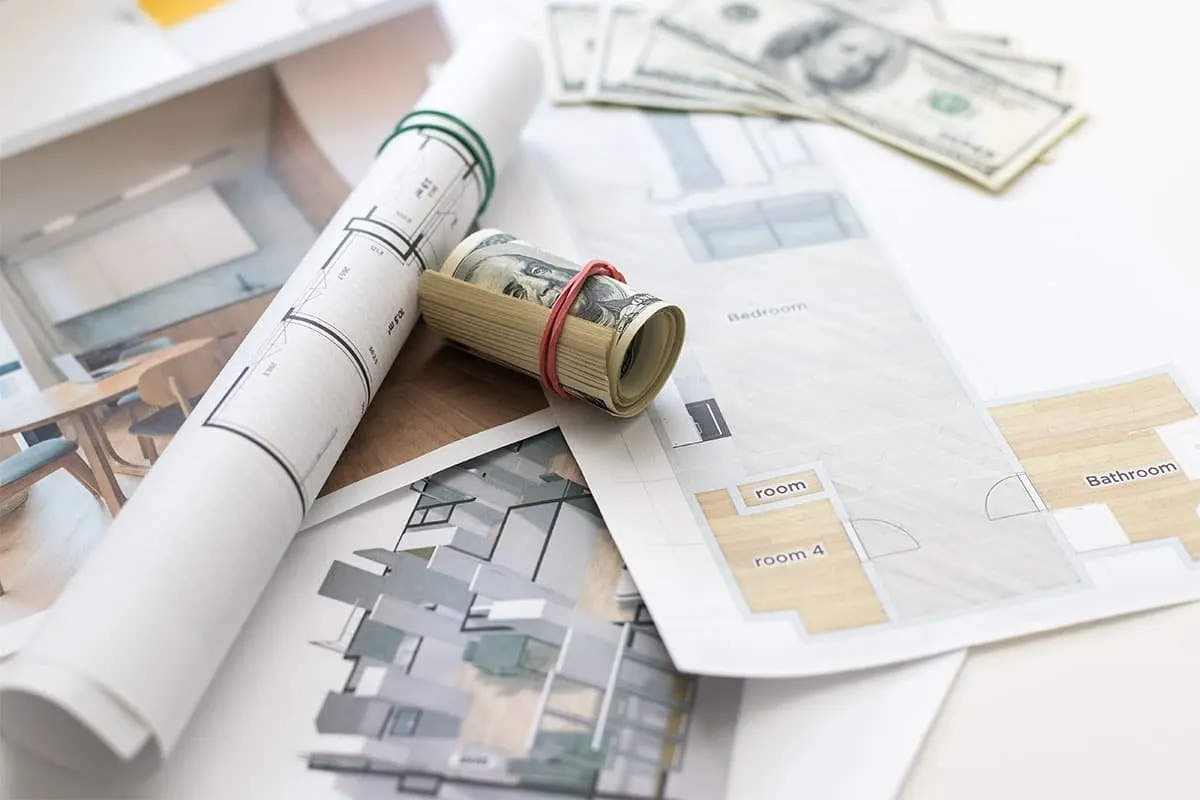
The most common mistake isn't "spending a lot." It's starting without understanding everything that can hit your budget in Miami: hidden costs behind the walls, code upgrades, permits, approval times and poorly calculated contingencies. For kitchens and bathrooms, the recommended reserve ranges from 10% to 20%; for general renovations or older homes, it can go up to 20% or 25%+.
In Miami, there are also two risks that completely change a project's cash flow:
- Electrical or plumbing corrections once the walls are opened,
- And FEMA's 50% Rule, which can trigger much bigger requirements if the work goes over a certain threshold of the structure's appraised value.
Add permits, HOA review in condos and approval times that can run from 2 to 4 weeks, or even longer on complex projects, and the problem is no longer just "how to pay." It becomes "how to avoid losing margin and peace of mind."
What to calculate before you ask for a single dollar
- Your real base budget.
- A contingency kept separate from the construction budget.
- Miami-Dade permit costs.
- Likely approval time.
- The monthly impact your cash flow can handle.
- Room for extras without touching your safety savings.
Should you remodel in phases or all at once?
At La Tribu Life , we know there's no universal answer. But there is an answer that fits your goal if that goal is to keep your liquidity.
Remodeling everything at once usually lowers the total cost, because it means a single mobilization of your capital. Doing it in phases, on the other hand, usually gives you more control over cash flow; however, it can make the project 5% to 15% more expensive because of multiple mobilizations and possible inflation in the materials market.
| Factor | All at once | In phases |
|---|---|---|
| Total cost | Lower | Higher |
| Upfront cash pressure | High | More manageable |
| Inflation risk | Lower | Higher |
| Design flexibility | Lower | Higher |
| Controlling scope creep | Harder | Easier |
When phasing makes sense
A phased remodel that can be adjusted to your budget usually makes more sense when:
- you don't want to touch all your savings at the start,
- you need to keep the house livable,
- you want to test a first phase before opening the second,
- or the project includes old infrastructure with a high chance of surprises.
When doing it all at once may be better
Doing it all at once may make more sense when:
- you already have enough liquidity,
- the property has already had a lot of previous work,
- the cost of repeating budget mobilizations would be high,
- or it pays to lock in both materials and labor at today's market prices.
What order protects your liquidity best?
If your goal is to move forward without squeezing your cash flow, the priority shouldn't be what's flashiest or simply trendy. It should be whatever keeps you from redoing work.
Phase 1: critical infrastructure
First come HVAC, the electrical system, plumbing, the roof and impact windows . The reason is simple: if you take care of cosmetic repairs before you control water, moisture or the building systems, you'll probably end up paying twice.
Phase 2: kitchen
A kitchen remodel can be very disruptive to daily life, but remember it also has one of the best interior returns in Miami. In 2026, a minor kitchen remodel has an estimated ROI range of 84.7% to 96%, proportionally higher than a major remodel. (More on this in our guide to remodeling ROI in Miami.)
Phase 3: primary bathroom
Always keep at least one full bathroom working. If the property only has one, you need to plan temporary arrangements before demolition.
Phase 4: living areas and floors
Floors should go at the end of your remodeling project, because they're among the most vulnerable elements during construction. And remember that paint and finishes should close each phase, not open it.
A practical rule for setting priorities

Before moving on to the next phase, confirm these three things:
- the new phase doesn't undo the previous one,
- moisture and mold have been resolved,
- Miami-Dade permits and HOA approvals are already lined up.
Evaluating financing without losing control
Here's an important difference: financing isn't just getting money. It's designing a payment structure that doesn't eat up your peace of mind.
It will always depend on the specifics of your remodeling project. But we can tell you this clearly: first, sort out the phases, contingency, ROI and scope. Only then should you compare the financial tools available to you.
So if you're weighing a HELOC for a remodel in Miami, a home equity loan, a personal loan or a mix of savings and phases, don't start with the monthly payment. Start with your real monthly payment capacity and the size of your contingency.
A basic worksheet before comparing financial products
At La Tribu Life , we suggest filling this in before you talk to a bank or lender:
- maximum monthly payment you can handle: ______
- savings you don't want to touch: ______
- separate contingency: ______
- total cost by phase: ______
- available equity: ______
- APR / closing costs / loan term: ______
The questions that really matter
If you're comparing financing options for a remodel in Florida, these are the right questions to ask yourself:
- Can I handle the payment without touching the contingency fund?
- Does this product work better for me in phases, or does it push me to spend everything at once?
- What happens if permits or materials delay Phase 2?
- Am I financing infrastructure with real value, or finishes that over-improve the home?
At La Tribu Life , we also remind you of a key rule for protecting your home's value: as a guideline, no single improvement should go over 10% to 15% of the home's total value, because the risk of over-investing goes up.
The La Tribu Life method for peace of mind
La Tribu Life doesn't act as a contractor. It works on the homeowner's side, with a focus on protecting your property's value: ALTUM Validation, a contract with warranties, milestone payments, scope review and an execution structure with penalties for delays. That setup reduces one of the risks that hurts cash flow most: paying too much, too soon and without control.
What changes when you have a method
Instead of asking "How do I get more money?", you start asking:
- which phase should come first,
- how much capital should stay untouched,
- which part actually has a remodeling ROI,
- and how each payment is tied to the real progress of the work.
That shift looks simple, but it's huge. Because the project stops pushing your finances around, and your finances start running the project.
Final checklist before you move forward
Use this list if you want to move forward without emptying your bank account:
- Define your goal: live better, sell, rent or preserve value.
- Set aside the contingency before choosing finishes.
- Check the structure's appraised value and review the 50% Rule threshold.
- Prioritize critical infrastructure before looks.
- Plan the phases around livability and your monthly cash flow.
- Review Miami-Dade permits and, if it applies, HOA approval.
- Require a contract with warranties and milestone payments.
- Verify contractors and their licenses before you sign.
- Keep contracts, permits and invoices as backup for your property records.
And remember: if you want to move forward without letting a remodel eat up your peace of mind, schedule an assessment with La Tribu Life.
We help you organize phases, review your payment capacity, prioritize remodeling ROI and put together a proposal with ALTUM Validation, a contract with warranties and milestone payments.
Frequently asked questions
How much contingency should I set aside for a remodel in Miami?
For kitchens and bathrooms, the recommended reserve is 10% to 20%. For general renovations or older homes, it can go up to 20% or 25%+. Keep it separate from the construction budget.
Is it cheaper to remodel all at once or in phases?
Doing it all at once usually costs less in total. Phasing gives you more control over cash flow but can make the project 5% to 15% more expensive because of multiple mobilizations and possible materials inflation.
What should I remodel first if I go in phases?
Start with critical infrastructure (HVAC, electrical, plumbing, roof and impact windows), then the kitchen, then the primary bathroom, and finish with living areas and floors.
Should I compare HELOCs and loans before planning the remodel?
No. First sort out the phases, contingency, ROI and scope. Then compare a HELOC, home equity loan, personal loan or a mix of savings and phases, starting from your real monthly payment capacity.
How much should I spend on a single home improvement?
As a guideline, no single improvement should go over 10% to 15% of the home's total value, because the risk of over-investing goes up.
Note: The figures, costs, timelines and percentages in this article are for reference only. They can change by state, county or city, and over time. They are not a fixed rule or legal advice; always confirm them with the relevant official agency before you decide.
Informational content only. It does not replace professional advice and is not legal advice. La Tribu Life guides and represents homeowners, but does not perform construction work.



Comments
No comments yet. Do you have a question or an experience with a contractor? Share it.