 La Tribu Life Remodelaciones

Quick answer
A remodel adds value in Miami only when its impact is greater than its full cost and the risk is manageable. First decide whether you'll sell, rent or live in the home. Then stay within your comps' ceiling, count permits, HOA and surprises in the cost, and avoid over-improving.
What does “adding value” mean in Miami?
To decide well, separate these 3 definitions:
1) Market value (what the market pays)
It's limited by comparables (comps). If you go “too far” above the area's ceiling, you're over-improving: you invested, but the market doesn't fully recognize it. Learn more in our guide to comps and appraisals in Miami.
2) Functional value (what improves your life)
Improvements that don't always raise the price but do reduce daily problems: moisture, ventilation, layout, storage, comfort, maintenance.
3) Operating financial value (what moves your numbers)
Key if you rent: rental income potential, tenant turnover, recurring maintenance, risk of downtime from breakdowns.
Quick rule: before talking about a kitchen or a bathroom, define which “value” you're after.
The most common mistake: deciding on looks
The same remodel can be a “smart investment” or “spending with no ROI in Miami,” depending on your goal:
- If you're selling soon: focus on appeal compared with your comps and keep objections to a minimum.
- If you're renting: focus on durability and what moves rent and occupancy.
- If you're living there: focus on function + enjoyment, with limits if you think you'll sell in a few years.
Key question: before “what to remodel”… why are you remodeling?
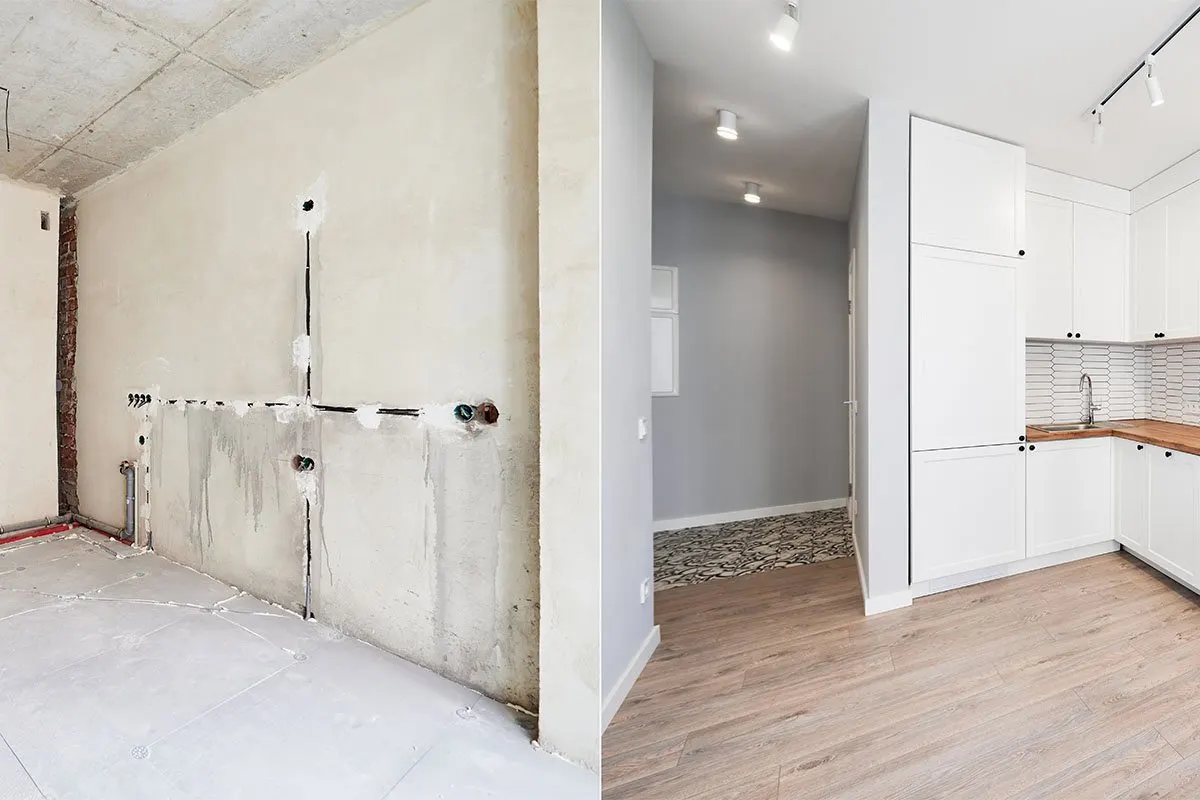
Five filters to decide if it's worth it
A remodel adds value only when the impact is greater than the cost and the risk is manageable. Don't leave the decision to chance. Run your project through these five strategic filters to check whether the numbers really work.
Impact on your goal
- Selling: Does it reduce objections? Does it line up with comps? Does it speed up the sale?
- Renting: Does it raise net rent, or does it increase vacancy and maintenance?
- Living: Does it noticeably improve your daily life?
Real total cost (not just “what the contractor charges”)
- It's not just the contractor's quote. Include permits, HOA, unexpected issues, opportunity cost and financing.
Time / payback
- Does remodeling ROI in Miami make sense within your time horizon, or does the project get stuck halfway?
Execution risk
- Assess “surprises” (moisture, electrical) and paperwork delays (permits/HOA).
Neighborhood ceiling (comps)
- Does it stay within your segment's range, or is it creating an over-improvement the market won't pay for?
Sell, rent or live there? Three paths
| SCENARIO | WHAT “PAYS” THE MOST | WHAT CAN SINK YOU |
| Sell (12–18 months) | Strategic refresh: close the gap with your comps. | Deep remodel + permits/HOA + technical surprises. |
| Rent (1–5 years) | Durability + operation: fewer breakdowns and less turnover. | “Luxury” upgrades that don't raise net rent. |
| Live (3+ years) | Function + prevention: avoid losses and gain comfort. | Choosing by trend and falling into over-improvement. |
A) Selling in 12–18 months
Best bet: A strategic refresh (paint, lighting, flooring, visible maintenance, bathrooms and kitchen with targeted upgrades).
Verdict: YES, if the scope is limited and brings you in line with your comps. NO, if it requires deep work, complex permits, or if the property is already near the neighborhood's price “ceiling.”
B) Renting and improving your numbers
Best bet: Focus on durability and operation (working HVAC, moisture control, tough surfaces, reliable plumbing and a neutral look).
Verdict: IT DEPENDS on the HOA's requirements (especially in condos) and on whether there are structural moisture or mold risks.
C) Living there and improving how it works
Best bet: Here, “adding value” means avoiding losses. Prioritize leaks, electrical connections and reworking the layout.
Verdict: YES, as long as it noticeably improves your daily life and doesn't push you into an absurd over-improvement (especially if you might sell in the medium term).
Which improvements pay off for each goal?
- If you're selling: first remove objections (moisture, leaks, unsafe systems), then match finishes to your segment; “aspirational” upgrades only if your premium segment demands them.
- If you're renting: reliability (HVAC, plumbing, moisture) + durability + a neutral look that's easy to maintain.
- If you're living there: safety, moisture, comfort and function first; “aspirational design” last.
Managing remodeling costs and risks in Miami
There are two typical risks when you start investing in a remodel in Miami.
One is confusing repairing with improving: If you don't separate a repair (restoring function) from an improvement (raising the standard), you lose control from the very start of the project. The upgrade you want for your property ends up eaten by contingencies that come from the wrong approach.
The other is false comparisons. A quote isn't measured only by its final number. Two identical quotes can include completely different things. That's why you need to check quality, schedules, warranties, licenses/insurance, change orders and permits/HOA. If you're in a condo, read our guide to Miami-Dade building permits and HOA approval.
Risk map: predicting “extra spending”
| Project | Risk level | Critical factor |
|---|---|---|
| Cosmetic refresh | 🟢 Low | No plumbing or electrical changes. |
| “Invisible” work | 🟡 Medium | Moisture, HVAC and electrical (prevents bigger losses). |
| Layout changes | 🔴 High | Kitchen/bathroom: means permits and “surprises” behind the walls. |
| Condo with HOA | ⚠️ Variable | Extra time and cost due to association rules. |
Checklist: decide your remodel in 20 minutes
- Define your time horizon. Set a clear goal. Sell (12–18 months) / Rent (1–5 years) / Live there (3+ years).
- Market position. Where does your property stand against its “comps”? Below average, in the middle, or at the area's price ceiling?
- Audit the critical issues. List the “expensive” objections (moisture, leaks, outdated electrical or plumbing).
- Decide whether each improvement is viable. YES (high impact) | IT DEPENDS (controlled risk) | NO (outside your horizon).
- Contract protection: Don't start without these 6 pillars: written scope | milestone payments | change order management | licenses/insurance | realistic schedule | permit/HOA plan.

Red flags
- The “museum effect”: Wanting the nicest house in the neighborhood usually leads to over-improving the market won't pay back.
- The “blind” budget: Getting quotes without a detailed scope is an open invitation to change orders (unplanned extra costs).
- Toxic optimism: Ignoring real timelines for permits, HOA and “hidden defects” breaks any financial plan.
- No “cushion”: Not including a contingency means the first surprise will stop the project completely.
- The Instagram trap: Choosing finishes by visual trend without first checking the area's “comps” (comparables).
- The contract gap: Starting without clear rules for payments, warranties and responsibilities means handing over full control of the project.
The right decision isn't “remodel or not,” but how and why.
In Miami, a remodel can be a great strategic move or a financial headache. The real difference isn't how beautiful a renderlooks, but whether four pillars line up:
A clear goal.
A time horizon.
Comps analysis (the market).
Risk control during the work.
Don't remodel to “be right”; remodel to close a real gap (market, rent or comfort) with a controlled scope and a solid protection strategy. That's exactly what La Tribu Life works on every day.
Frequently asked questions
Is it worth remodeling in Miami before selling?
It depends on your time horizon and your gap versus the comps. A strategic refresh usually makes sense; a deep remodel with high risks can push you to sell “as-is”.
What does “adding value” mean: price, rent or use?
It can be resale price, net rent or functional value. Don't mix metrics: pick one so you don't lose financial focus.
How do I avoid over-improving?
Design to your segment's standard (by analyzing the comps), not just to your personal taste.
Which remodels are usually safest before selling?
Removing objections and updating without opening up a deep remodel (maintenance + consistent finishes + presentable bathrooms and kitchen).
And for renting?
Prioritize durability, moisture and ventilation control, reliable systems and highly durable surfaces.
Condo vs. house: does the decision change?
Yes, definitely. In condos, timelines and risks increase because of HOA rules (approvals, work hours and access rules).
Note: The figures, costs, timelines and percentages in this article are for reference only. They can change by state, county or city, and over time. They are not a fixed rule or legal advice; always confirm them with the relevant official agency before you decide.
Informational content only. It does not replace professional advice and is not legal advice. La Tribu Life guides and represents homeowners, but does not perform construction work.


Comments
No comments yet. Do you have a question or an experience with a contractor? Share it.