 La Tribu Life Remodelaciones
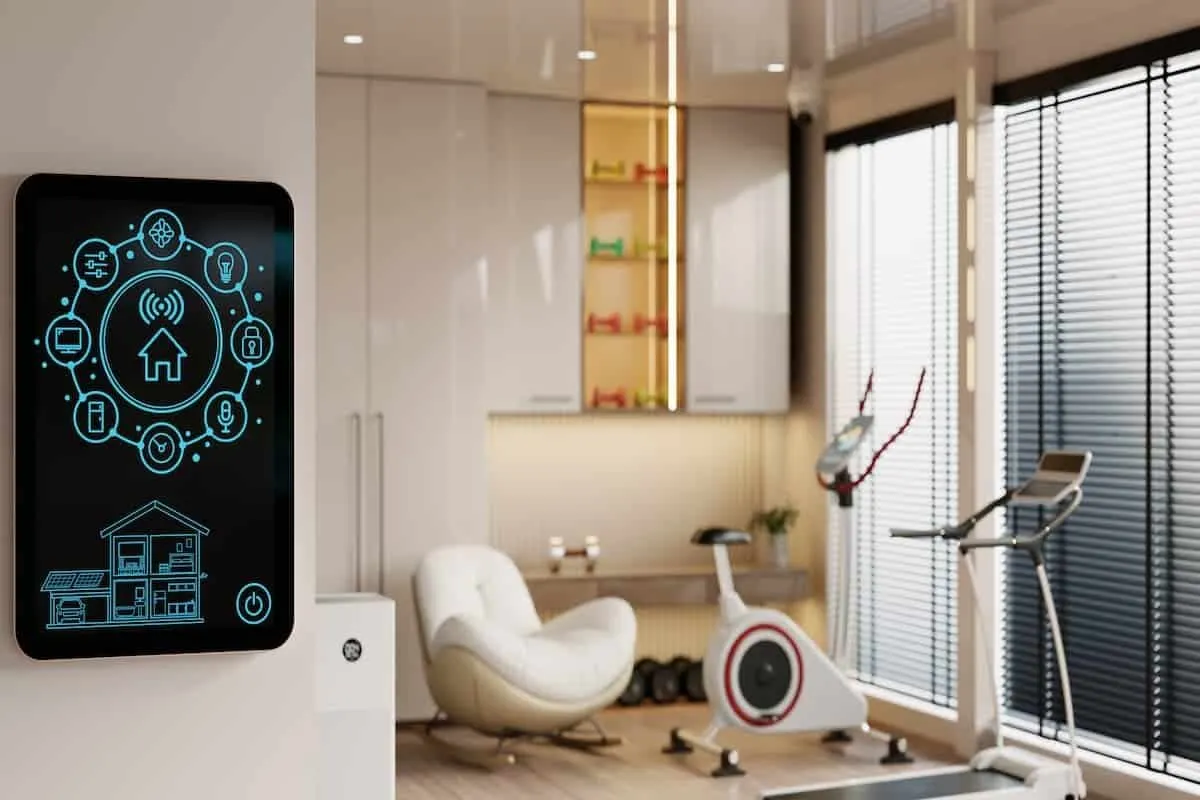
Smart home technology can make a Miami condo cooler, safer and easier to manage, or it can turn into an expensive pile of gadgets. The difference is choosing what to automate based on real problems, not on what looks most high-end.
Quick answer
In a Miami condo, the upgrades most worth automating are a smart thermostat, water leak detection, motorized shades on sun-exposed windows, lighting in key areas and interior security if you travel. Premium centralized audio-video and control panels everywhere can usually stay basic. Anything hardwired, exterior or touching common elements needs HOA and permit review first.
The rule: automate problems, not whims
The safest way to decide on smart home upgrades isn't to ask what looks more premium. It's to ask which real problem gets solved best. In Miami, the clearest problems in a condo are usually five: heat from sun exposure, A/C (air conditioning) energy use, leak risk, remote control when you're away and convenient lighting for your daily routines.
Why does this matter more in a condo than in a house? Because condo projects usually cost 20% to 40% more per square foot due to HOA restrictions, access, work hours and logistics. When every square foot already costs more, it pays to automate with precision, not from a catalog of trendy gadgets.
Expensive smart home technology is an investment, but keep in mind it can become outdated relatively quickly, and some buyers see it as something they'll have to replace, not as an automatic boost to the property's value. That's why, in condos, functional upgrades usually pay off better than showing off technology.
What's worth automating in a Miami condo?

1) Smart thermostat and climate control
If you could automate only one thing in most units, this would be it. ENERGY STAR says that, on average, a certified smart thermostat saves about 8% on heating and cooling bills, or around $50 a year, with variations depending on climate, use and the HVAC equipment. In Miami, where most of the load is on the cooling side, the practical value is in programming your A/C better and not cooling an empty apartment.
In Miami, smart HVAC control helps you adjust temperature and humidity more precisely, and schedules, geolocation and occupancy sensors prevent unnecessary cooling when the home is empty.
Bottom line: In almost any Miami condo, this is usually worth it.
2) Motorized shades or blinds in units with a lot of sun exposure
Miami's climate makes a big difference here. The U.S. Department of Energy(DOE) notes that during the cooling season, about 76% of the sunlight that falls on standard double-pane windows enters as heat. In other words, in a unit with a lot of glass, especially one with strong sun exposure, solar control stops being purely decorative and becomes a real factor in how hot the unit gets.
The DOE also explains that automated window coverings can optimize energy performance, and that some automated cellular shades can be programmed to reduce heating and cooling loads while maximizing comfort and natural light.
In Miami, motorized shades and blinds that respond to sunlight and indoor temperature make sense in spaces with a lot of glass, and they fit especially well in upper mid-range and luxury units.
Bottom line: Automate shades if your unit gets harsh sun, has large windows or is a second home. If the light is already well controlled or there are few windows, you can keep it basic.
3) Leak detectors and flow monitoring
In a condo, this is one of the most underrated upgrades. The EPA notes that household leaks can waste thousands of gallons of water a year and damage your home. Leak detection and flow monitoring devices help spot leaks or unusual water use and reduce waste and damage. The EPA adds that these technologies can also be used in multifamily buildings.
In Miami, where humidity and water damage are such a big issue, this makes even more sense. It's not glamorous, but it protects your finishes, prevents surprises and helps a lot if you spend long periods away from the apartment.
Bottom line: Yes, it's worth it. Especially near the kitchen, laundry, HVAC closet and bathrooms.
4) Smart lighting, but in key areas
You don't need to turn your whole apartment into a spaceship. ENERGY STAR points out that smart lighting lets you use geofencing to turn lights off based on your phone's location, use occupancy sensors so lights only turn on when someone is there, and use remote control when you've left something on.
Bottom line: The smart version for a mid-range condo is this: automate the entry, living room, kitchen and primary bedroom. You don't need to touch every bathroom, hallway or closet.
5) Security and remote access, if the building allows it
Integrated cameras, access control and remote monitoring are especially valued by international buyers and people with several homes. In Miami, that makes a lot of sense because of the number of second-home units and the need to check on the apartment when you're not there.
There's an important distinction, though. An indoor or plug-in device is one thing; touching the front door, common elements or building installations is another. At that point it's no longer just about convenience: you're dealing with condo rules and possible approvals.
Bottom line: Remote control and interior security are usually worth it. Anything exterior or visible from common areas needs to be checked first, so you don't break any condo rules.
What can stay basic without losing value?
High-cost centralized audio-video
In the luxury segment , full integration with platforms such as Crestron or Control4, hidden speakers and out-of-sight equipment racks can make sense.
But for the average Miami condo, this is usually one of the first things to hold back on. Expensive smart home systems can look outdated in 3–5 years, and many buyers see them as something they'll have to replace.
Bottom line: Unless you're in a penthouse or a highly aspirational luxury unit, keep it basic or modular.
Automating every shade in the unit
Motorizing everything sounds great in the design meeting, but it doesn't always solve a real problem. In many apartments, it's enough to automate the windows with the most sun exposure or the ones that are hardest to operate. The DOE even notes that the energy benefit depends on strategic use, not just on having the product installed.
Bottom line: Automate where the sun, the height or your routine justifies it. The rest can stay manual.
Screens, keypads and panels everywhere
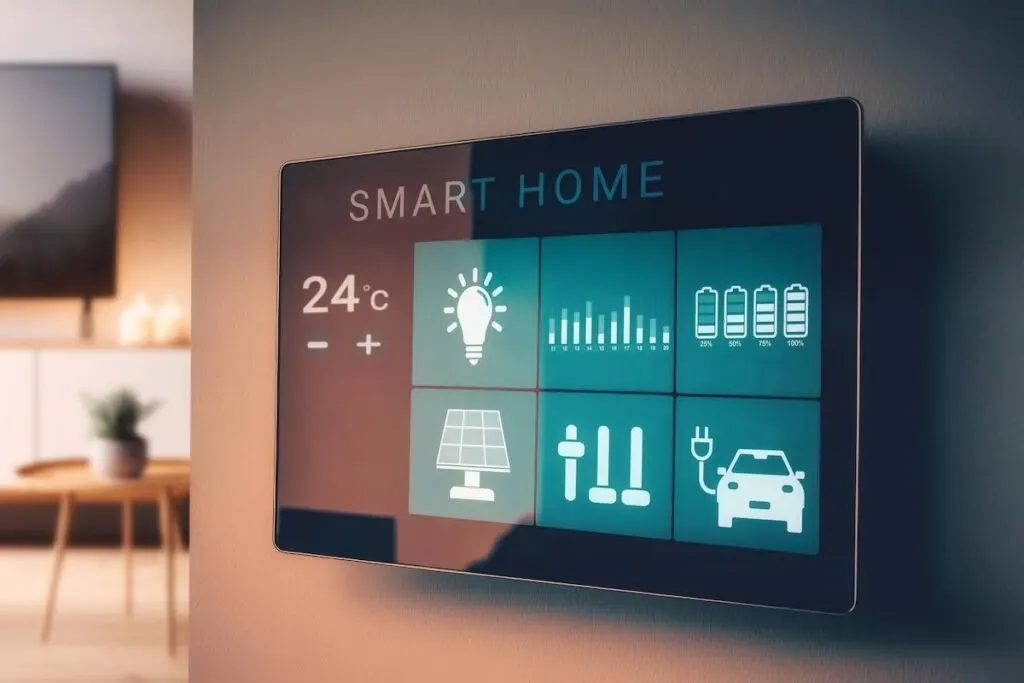
The problem here isn't just cost. It's also how quickly they look and work outdated. In many condos, more visible hardware doesn't translate into more perceived value. And if installing it means opening walls, lowering ceilings or rewiring more than necessary, the installation cost starts competing with other, more useful upgrades.
Bottom line: In most condos, fewer fixed interfaces and more control from an app is usually better.
Switching to hardwired when a wireless version already solves the problem
The City of Miami exempts certain devices and minor work when there's no new hardwiring, such as wireless cameras or alarms, battery-operated smoke detectors and fans installed on existing wiring. Miami-Dade, in turn, reminds owners that more complex work and alterations in condominiums and apartments call for more care, and that hardwired work isn't treated the same as wireless.
Bottom line: If a good wireless solution solves the problem, it's usually the cleanest route for a condo.
Quick table: automate or keep basic?
| System | Worth automating | Can stay basic | Why |
|---|---|---|---|
| Thermostat / climate | Yes, almost always | Rarely | Affects comfort and A/C energy use |
| Shades / blinds | Yes, on sunny windows | Yes, on secondary windows | In Miami, solar control really affects comfort |
| Leak detection | Yes | Not worth ignoring | Protects against water damage |
| Lighting | Yes, in key areas | Yes, in secondary areas | Best balance between convenience and cost |
| Interior security | Yes, if you travel or it's a second home | — | High value, low friction |
| Premium centralized AV | Only in true high-end units | Yes | Usually unnecessary in mid-range condos |
| Panels and keypads throughout the unit | Rarely | Yes | They look dated fast and complicate the work |
HOA rules, permits and real condo limits
This is where many good ideas get complicated.
In Miami condo towers, HOA usually asks for plans, materials, contractor documents, insurance, a schedule and, often, deposits of $1,000 to $5,000. Typical approval times are 2 to 6 weeks , plus work-hour restrictions that can stretch out the project.
Legally, the Florida Condominium Act states that there can be no material alteration or substantial additions to the common elements or association property except as provided in the declaration. If there's no procedure, approval can require up to 75% of the voting interests in certain cases. It also says a unit owner can't do anything inside their unit that would harm the safety or soundness of the common elements or association property.
What that means in plain terms
- A thermostat or indoor sensor is usually simpler.
- A video doorbell, a lock visible from the hallway, an intercom, wiring through common elements or any work on the facade or a shared door is a different story.
Permits: a red line
The City of Miami explains that interior remodels may need electrical, mechanical and plumbing sub-permits, and that if you change exterior windows or doors you also need a window/door permit (see our impact windows and doors). Miami-Dade stresses that electrical work requires a permit and that projects in condos and apartments have different requirements than a stand-alone house.
That translates into a useful rule:
- Plug-in or battery-operated: usually the simplest route.
- Hardwired, new wiring, common elements or exterior: check with the building department and the HOA before you buy anything.
How to decide based on your type of unit
If it's a standard or investment condo
What I would do:
- a smart thermostat,
- leak sensors,
- lighting in key areas,
- maybe one or two motorized shades if sun exposure is strong.
What I wouldn't do:
- premium centralized AV,
- fixed interfaces throughout the home,
- full automation of every room.
If it's a second home
Here, these add value:
- remote climate control,
- interior security,
- leak detection,
- automated shades in sun-exposed areas.
If it's a true luxury unit
Here it can make sense to bring lighting, shades, climate, security and entertainment under one platform, because in that segment well-designed home automation does help position the property better. But even then, the technology should be discreet and not too intrusive.
In a Miami condo, the smartest home automation isn't the one that adds the most technology. It's the one that best handles heat, sun, leaks and remote control without driving up the cost of the work or clashing with the HOA. If you're planning a full upgrade of your unit, see our interior remodeling in Miami.
If you want to decide what to automate and what to keep basic before you spend, schedule an assessment with La Tribu Life.
Frequently asked questions
Which smart home system adds the most real value in a Miami condo?
For most units, the best starting point is climate control. An ENERGY STAR certified smart thermostat can save about 8% on heating and cooling bills on average. In Miami, it also helps a lot to avoid cooling an empty apartment.
Is it worth motorizing all the shades?
Not always. It's worth it in units with a lot of glass or strong sun exposure. The DOE explains that heat coming through windows matters a lot in the cooling season and that automated window coverings can improve performance and comfort.
Are leak detectors really worth it?
Yes, especially in condos. The EPA says undetected leaks can waste thousands of gallons a year and damage your home. Leak detection devices also help spot unusual water use and reduce damage.
Which part of home automation is usually unnecessary in an average condo?
The easiest to oversize is high-end automation, such as a centralized AV system, control panels and screens everywhere, or gadgets that don't solve an everyday problem. Keep in mind this technology can age quickly and lose appeal compared with more functional upgrades.
Can I install cameras, sensors or locks without checking with the HOA?
You shouldn't. Indoor and wireless devices are usually the simplest route, but anything that touches common elements, the exterior or the building's wiring should be reviewed with the HOA and the relevant building department.
Note: The figures, costs, timelines and percentages in this article are for reference only. They can change by state, county or city, and over time. They are not a fixed rule or legal advice; always confirm them with the relevant official agency before you decide.
Informational content only. It does not replace professional advice and is not legal advice. La Tribu Life guides and represents homeowners, but does not perform construction work.



Comments
No comments yet. Do you have a question or an experience with a contractor? Share it.