 La Tribu Life Remodelaciones
Thinking about remodeling your Miami home or condo and torn between tropical modernism and coastal contemporary? Both styles are everywhere in South Florida right now, but they ask for very different levels of work, budget and permits. Here's how they compare.
Quick answer
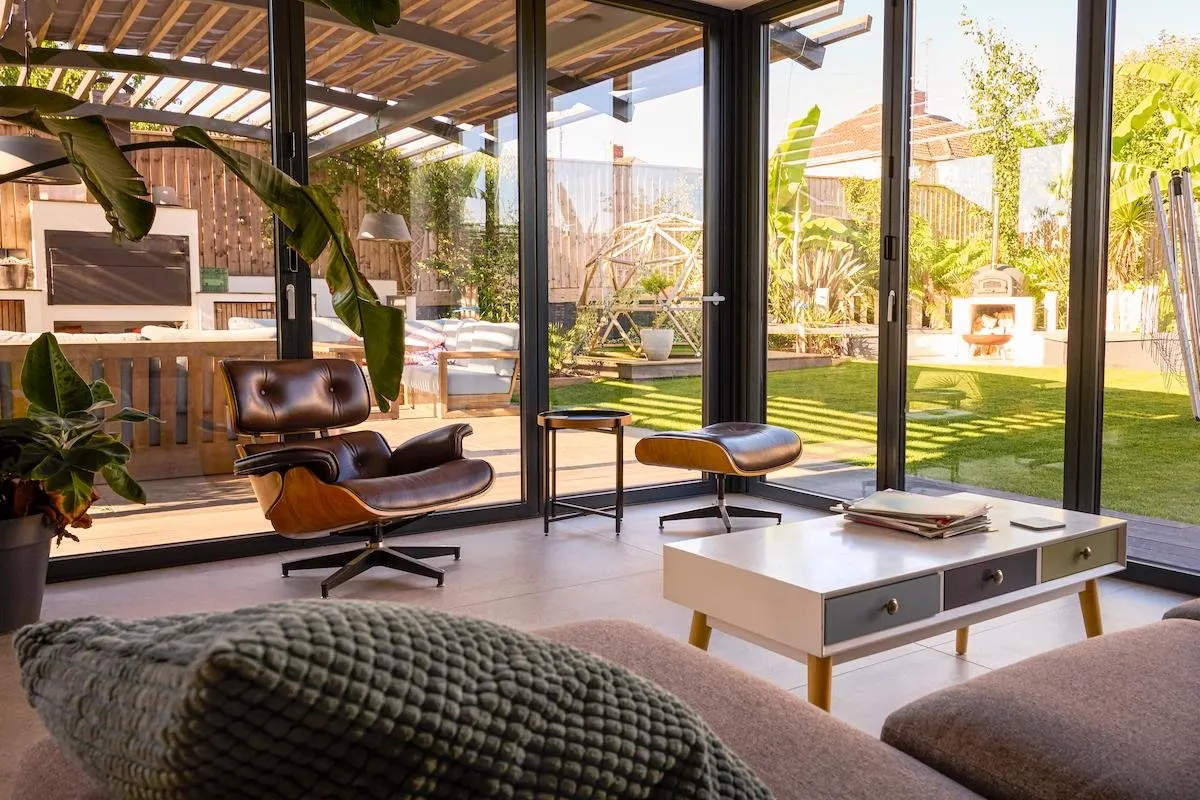
Tropical modernism is the more architectural style: big glass openings, indoor-outdoor living, summer kitchens and automated shade. It usually fits single-family homes and costs more to build. Coastal contemporary relies more on palette, textiles, light and finishes, so it is easier to carry out in condos and often lands in the mid-range budget.
What's the difference between the styles?
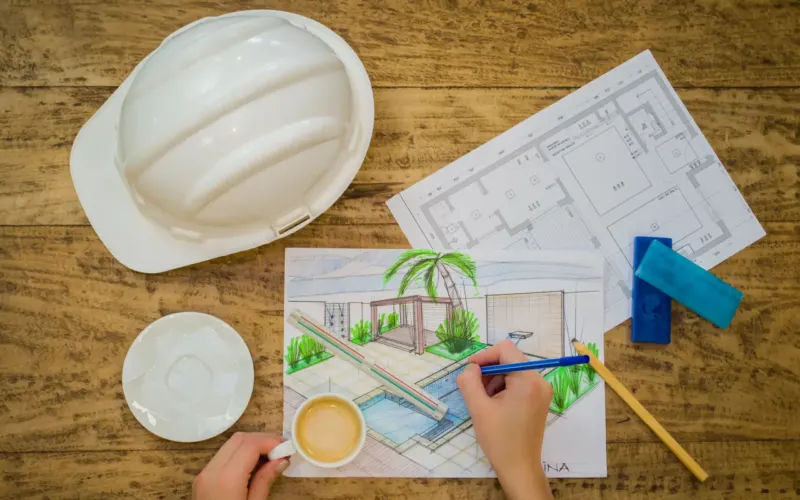
Tropical modernism is the fastest-growing design language in the Brickell–Coconut Grove–Miami Beach corridor. It combines clean lines, warm materials, lots of transparency, a smooth flow between indoors and outdoors, summer kitchens, covered outdoor areas and automated shade systems. It isn't just “modern with palm trees”: it depends heavily on the architecture, the building envelope and how the home relates to the landscape.
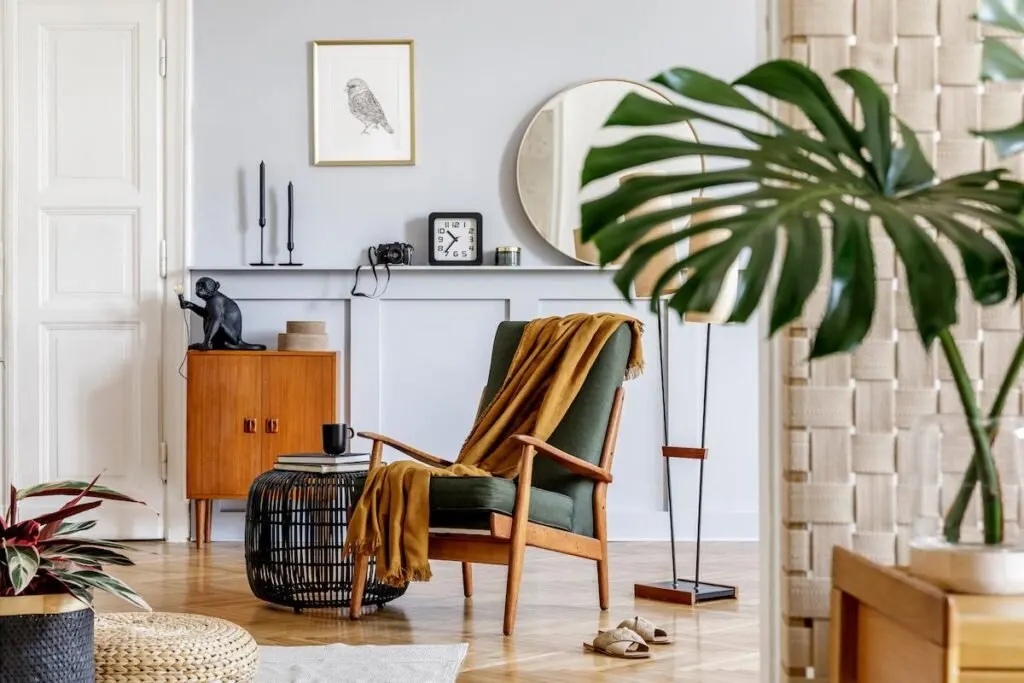
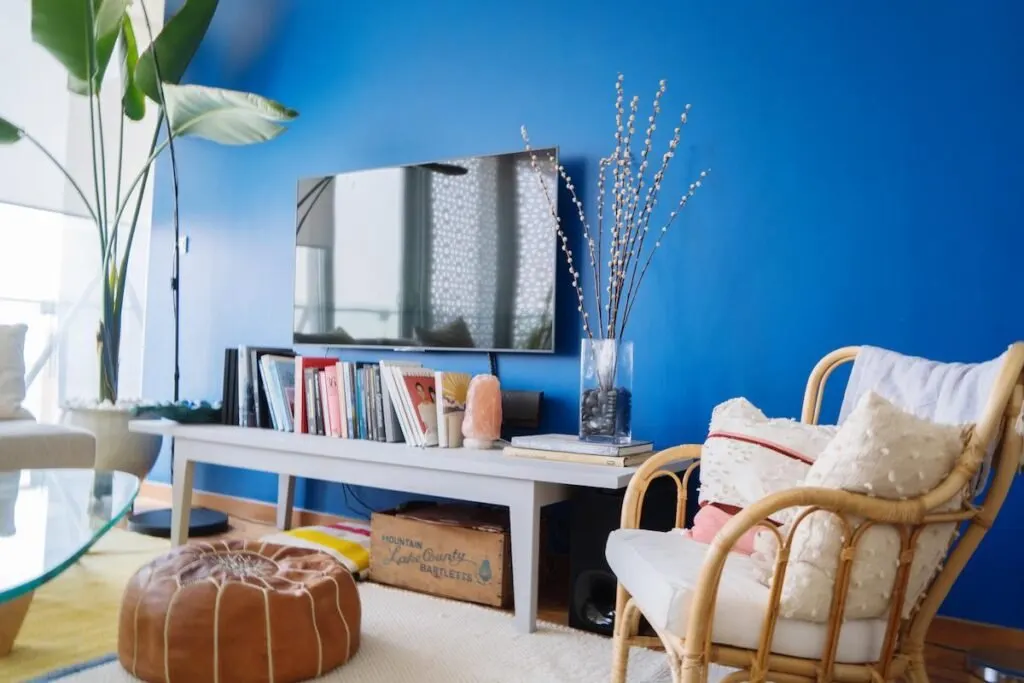
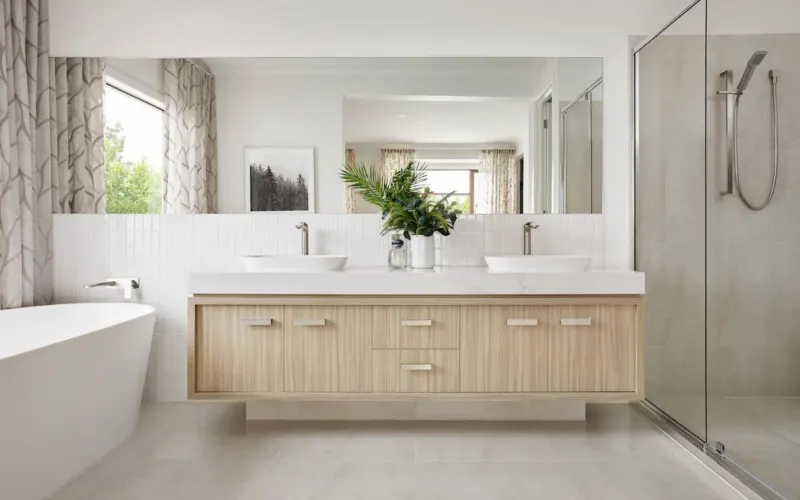
Coastal contemporary, on the other hand, is the next step after coastal chic: more refined, less literal and less themed. It works with neutral palettes, ocean blues, soft greens, linen, rattan, natural wood, lots of light and very little visual clutter. It feels more like an interior design style than an architectural one.
The difference in a nutshell
- Tropical modernism = more structure, more indoor-outdoor, more systems, more architectural character.
- Coastal contemporary = more atmosphere, more lightness, more decorating flexibility, easier to adapt to small spaces.
Here's a simple side-by-side comparison of the two styles.
| Criteria | Tropical modernism | Coastal contemporary |
|---|---|---|
| Overall feel | Architectural, calm, sophisticated tropical | Bright, fresh, refined coastal |
| Visual base | Glass, stone, treated wood, large openings | Warm neutrals, blues and greens, linen, rattan |
| Role of the outdoors | Very high | High, but less structural |
| Level of construction work | Usually higher | Can be carried out more easily |
| Risk of looking cheesy | Low if done well | Low if it avoids coastal clichés |
| Best fit | Aspirational home or ambitious remodel | Condo, waterfront residence or upscale refresh |
Where does each style dominate in Miami?
Let's look at the local picture. Tropical modernism , the fastest-growing style, has a strong presence in Brickell, Coconut Grove and Miami Beach. That doesn't mean it can't be used elsewhere in the county. It shows up there largely because many high-end residential projects in Brickell are aimed at buyers who want a contemporary look without losing the connection to the outdoors.
Coastal contemporary, meanwhile, clearly dominates in condos along the Intracoastal and waterfront residences in Edgewater, Surfside and Miami Beach. The “Ocean Moods” color palette is also associated with waterfront condos and penthouses in Edgewater, Sunny Isles and Miami Beach.

What this means, neighborhood by neighborhood
- Brickell: Tropical modernism gains a lot of ground when a project wants to compete in the high-end contemporary market.
- Coconut Grove: Tropical modernism fits very well thanks to the greenery, the indoor-outdoor lifestyle and homes with more breathing room.
- Miami Beach: both styles coexist. Coastal contemporary fits much more naturally in waterfront condos, while tropical modernism carries more weight when the property wants a more architectural or luxury look.
- Edgewater / Sunny Isles / Surfside: Coastal contemporary has a natural edge in condos where the water, the light and the views are the main attraction.
Which works better in a house or a condo?
In single-family homes
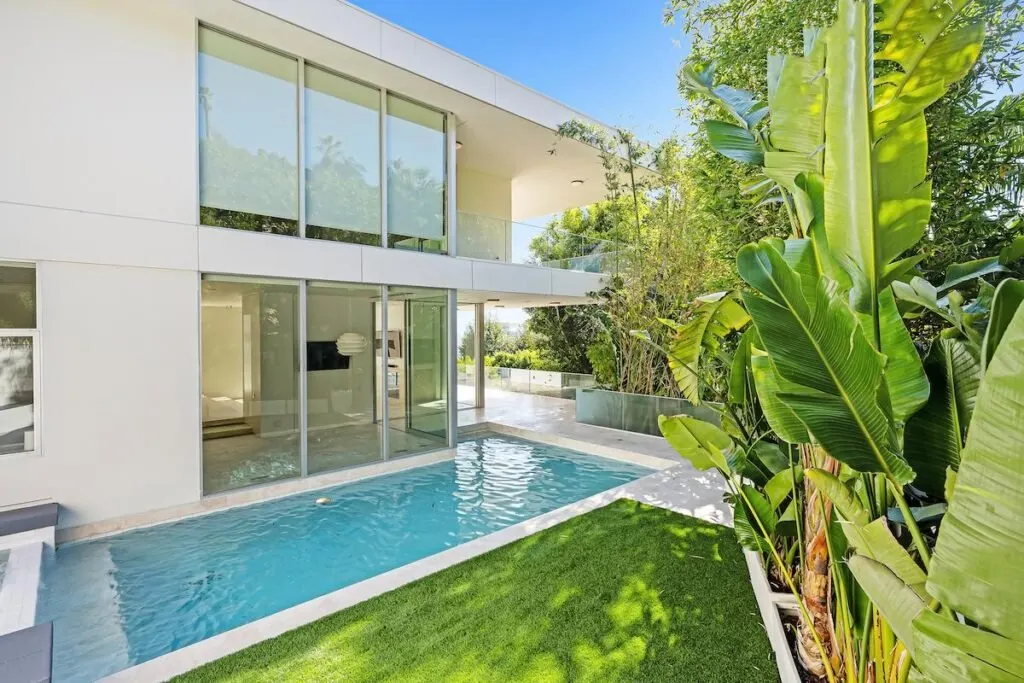
Here, Tropical modernism usually has the advantage when the owner can make the most of the yard, the terrace, open views, shade and large openings. The style pairs well with floor-to-ceiling retractable walls, outdoor living areas, summer kitchens and pocket doors, which are far more natural in a single-family home than in a condo.
Single-family homes allow more freedom: fewer restrictions on work hours, no association deposits, no required soundproofing and more room to open walls or expand spaces. All of that makes this style much more appealing. If your plans include the patio, terrace or outdoor kitchen, see our exterior remodeling.
In condos
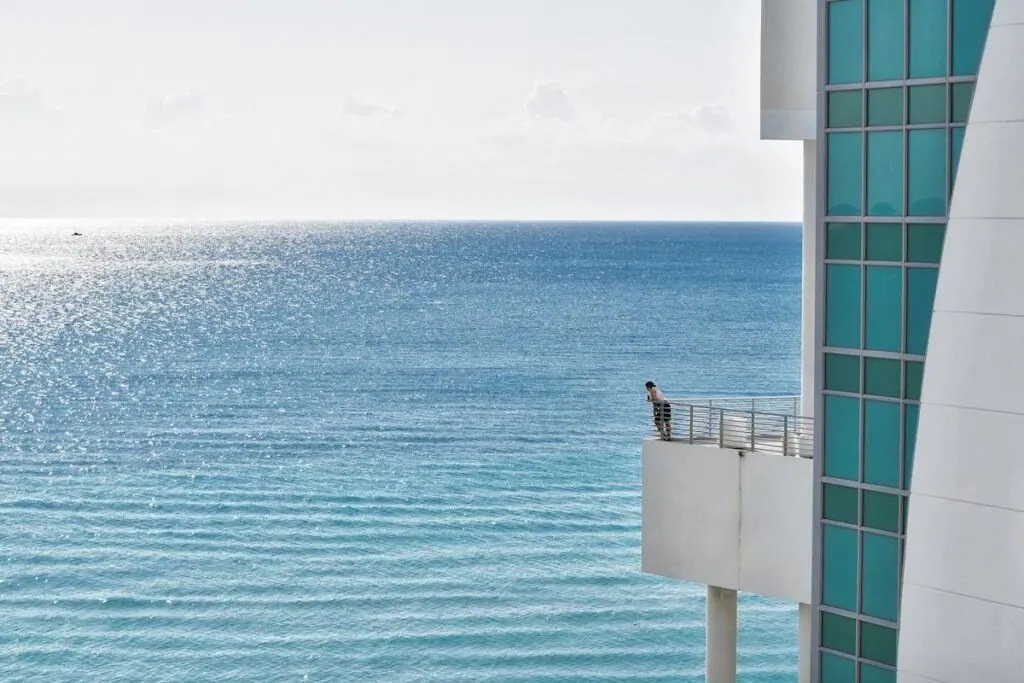
In a condo, Coastal contemporary is usually easier to carry out and easier to justify. In 2026, it is the leading trend in condos along the Intracoastal and in waterfront residences.
There's also a technical point to add. In condo living and dining rooms, high-end rigid waterproof vinyl floors (LVP/SPC waterproof) are the favorite because they resist moisture and are easy to install under HOA restrictions. That fits a well-planned coastal contemporary look better than a tropical modernism remodel with more extensive architectural work.
Keep in mind that regulations weigh heavily in Miami. Condo remodels usually require prior approval from the association, deposits, elevator reservations, limited work hours and, often, mandatory soundproofing. These requirements raise the cost of condo remodels by an estimated 20% to 40% per square foot compared with an equivalent single-family home.
A simple rule
- Single-family home: tropical modernism usually makes more sense.
- Condo: coastal contemporary usually lands better.
- Example: a Miami Beach luxury condo or penthouse: either style can work, but tropical modernism demands a more ambitious build.
Which style costs more to build, and why?
There's no official rate that says “this style costs X and that one costs Y.” But the type of work each style requires gives a very clear picture of costs.
For Miami, we can set these general ranges:
- Full single-family home remodel: $100–$150/sq ft standard, $150–$250/sq ft mid-range, $250–$500+/sq ft premium.
- Full condo remodel: $120–$175/sq ft, $175–$300/sq ft, $300–$600+/sq ft.
How to read these numbers by style
Coastal contemporary usually sits comfortably in the mid-range, especially in condos or a well-planned waterfront residence.
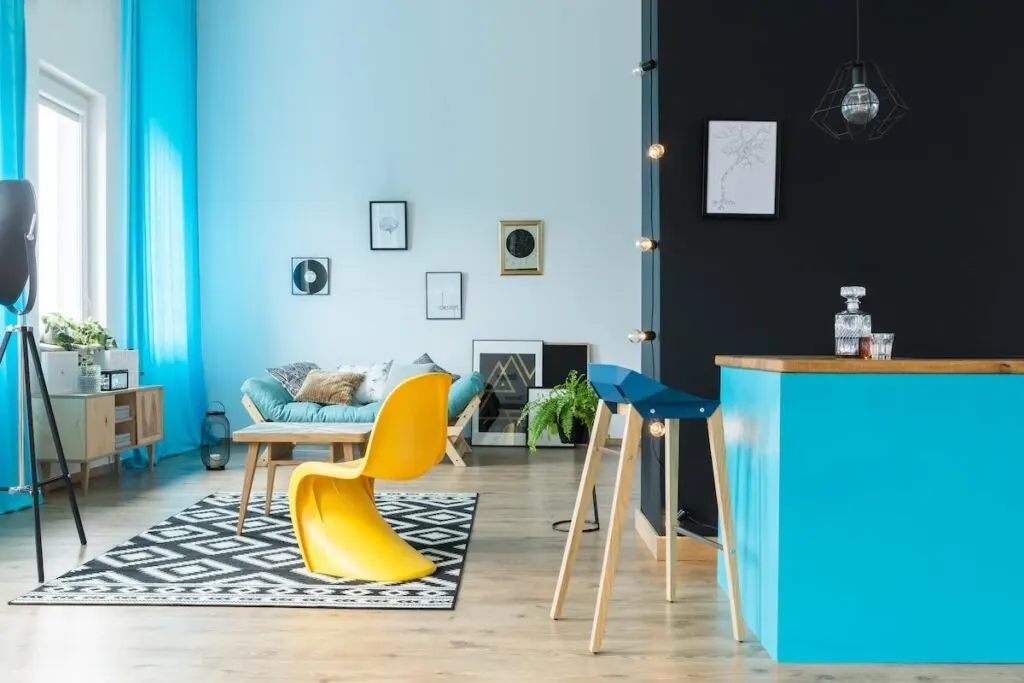
It works very well with palettes, textiles, lighting, furniture, LVP/SPC floors in condos, natural wood, linen, rattan and an open, bright layout, without relying so much on major architectural work.
Tropical modernism tends to push the budget more easily into the upper mid-range or premium level, because it usually comes with:
- large glass surfaces,
- retractable doors,
- a summer kitchen,
- automated shade,
- higher-performance warm materials,
- and more work to connect indoors and outdoors.
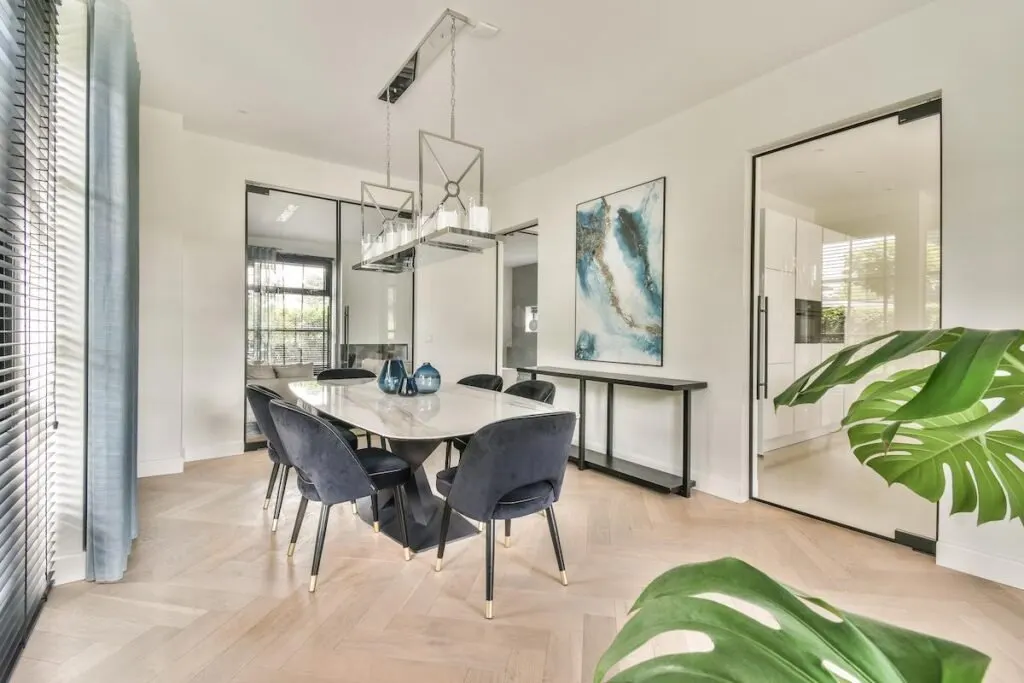
Planning guide by style
| Style | Range where it usually falls | What pushes it higher |
|---|---|---|
| Coastal contemporary | Mid-range in condos; mid-range to upper mid-range in single-family homes | Better finishes, millwork, lighting, waterfront logistics |
| Tropical modernism | Upper mid-range to premium | Retractable glass, true outdoor living, summer kitchen, shading systems, more architectural work |
Remember, this is a planning guide, not a final quote. Structural complexity, the building and your material choices can move a project above or below these ranges.
Which style should you choose for your goal?
If you want to sell well without overdesigning
Coastal contemporary is usually the safest bet. It feels current, bright, coastal and elegant without becoming too specific. In resale properties and waterfront condos, that combination usually performs better.
If you want your home to feel truly “Miami style”
Tropical modernism has a clear edge. Many owners feel their home “doesn't look like Miami anymore,” and that the indoor-outdoor ideal clashes with the reality of the climate. Tropical modernism responds exactly to that tension.
If it's a condo from the '90s or 2000s
Coastal contemporary is probably the smarter source of inspiration. It's more flexible, easier to carry out within real HOA restrictions and less dependent on structural changes. Always factor in the extra cost and logistics of remodeling a condo in Miami.
If it's a single-family home with a yard, terrace or potential to open up to the outdoors
Then the answer is Tropical modernism, because it can give you a stronger result that's more in line with South Florida's aspirational market.
Permits and logistics that can tip the scale
When comparing tropical modernism vs coastal contemporary in Miami, there's a practical layer that can change your decision.
Miami-Dade notes that permits are required for many projects, including alterations, repairs and demolitions, and that plan review and inspections exist to ensure safety and code compliance. It also explains that permits and reviews vary with the complexity and jurisdiction of the project.
For example, for condos, Miami Beach publishes a specific checklist for Condominium Interior Alteration (No Structural). That checklist requires digitally signed and sealed plans, may require electrical, mechanical and plumbing plans, and may also ask for soundproofing and waterproofingproduct sheets. Inspections range from framing and underlayment all the way to the building final.
What this means in practice
If your idea of Tropical modernism involves opening up a lot, changing systems, moving major millwork or touching the building envelope, the friction in a condo rises fast.
If your idea of Coastal contemporary relies more on materials, color, lighting, furniture and finishes without major surgery, it usually lands better.
If you're torn between these two styles and still don't know which is “the right one” for your remodel, don't start with the mood board. Start with these four questions:
- Is it a condo or a single-family home?
- How much construction work can you do?
- Is it for resale, for your own use or to make a statement?
- Is your budget in the standard, mid-range or premium range?
That's why at La Tribu Life we think it through with you and help you decide which design language best fits your home, your neighborhood, your property type and your budget before your taste turns into spending. See how we approach interior remodeling in Miami.
Frequently asked questions
Which style is growing faster in Miami in 2026?
The fastest-growing style is tropical modernism / organic modernism, especially in the Brickell–Coconut Grove–Miami Beach corridor.
Which style is better for a waterfront condo?
In general, Coastal contemporary. It is the leading style in condos along the Intracoastal and in waterfront residences in Edgewater, Surfside and Miami Beach.
Which style works better in a single-family home?
In many single-family homes, Tropical modernism makes more sense because it can make better use of the yard, shade, summer kitchen, large openings and the indoor-outdoor connection.
Which style costs more to build?
As a planning rule, Tropical modernism usually costs more because it more easily pushes your remodel toward architectural work, large glass, outdoor living and integrated systems. Coastal contemporary is usually easier to keep in the mid-range, especially in condos.
Can I do either style in a condo without any problem?
Not necessarily. In Miami Beach, for example, condo interior alterations have a specific checklist, plans and possible soundproofing, waterproofing and inspection requirements. On top of that, the HOA usually adds approvals, deposits and restricted work hours.
Note: The figures, costs, timelines and percentages in this article are for reference only. They can change by state, county or city, and over time. They are not a fixed rule or legal advice; always confirm them with the relevant official agency before you decide.
Informational content only. It does not replace professional advice and is not legal advice. La Tribu Life guides and represents homeowners, but does not perform construction work.
Comments
No comments yet. Do you have a question or an experience with a contractor? Share it.